- English
- 简体中文
- Esperanto
- Afrikaans
- Català
- שפה עברית
- Cymraeg
- Galego
- 繁体中文
- Latviešu
- icelandic
- ייִדיש
- беларускі
- Hrvatski
- Kreyòl ayisyen
- Shqiptar
- Malti
- lugha ya Kiswahili
- አማርኛ
- Bosanski
- Frysk
- ភាសាខ្មែរ
- ქართული
- ગુજરાતી
- Hausa
- Кыргыз тили
- ಕನ್ನಡ
- Corsa
- Kurdî
- മലയാളം
- Maori
- Монгол хэл
- Hmong
- IsiXhosa
- Zulu
- Punjabi
- پښتو
- Chichewa
- Samoa
- Sesotho
- සිංහල
- Gàidhlig
- Cebuano
- Somali
- Тоҷикӣ
- O'zbek
- Hawaiian
- سنڌي
- Shinra
- Հայերեն
- Igbo
- Sundanese
- Lëtzebuergesch
- Malagasy
- Yoruba
- Español
- Português
- русский
- Français
- 日本語
- Deutsch
- tiếng Việt
- Italiano
- Nederlands
- ภาษาไทย
- Polski
- 한국어
- Svenska
- magyar
- Malay
- বাংলা ভাষার
- Dansk
- Suomi
- हिन्दी
- Pilipino
- Türkçe
- Gaeilge
- العربية
- Indonesia
- Norsk
- تمل
- český
- ελληνικά
- український
- Javanese
- فارسی
- தமிழ்
- తెలుగు
- नेपाली
- Burmese
- български
- ລາວ
- Latine
- Қазақша
- Euskal
- Azərbaycan
- Slovenský jazyk
- Македонски
- Lietuvos
- Eesti Keel
- Română
- Slovenski
- मराठी
- Srpski језик

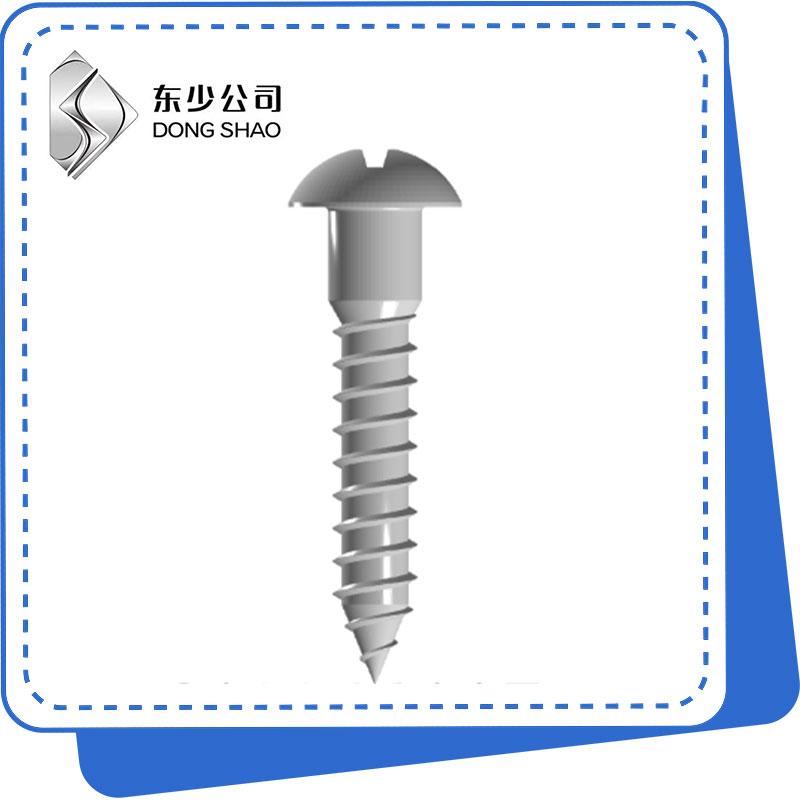
開槽木螺絲:您是否為您的木材安裝了正確的螺絲?
In furniture manufacturing and timber construction, the slotted wood screw remains one of the most traditional mechanical fasteners. Its selection directly affects pull-out resistance, assembly efficiency, and long-term structural integrity. An incorrect choice often leads to wood splitting, driver cam-out, or joint failure. Industry data suggests that over 30% of furniture assembly defects are linked to improper fastener selection. This article explains how 開槽木螺絲與標準機器螺絲不同,如何驗證各種木材類型的安裝情況,以及在購買或安裝之前哪些尺寸檢查很重要。您還將找到防止分裂、腐蝕和夾緊力損失的關鍵安全協議,從而實現明智的選擇和正確的使用。
為什麼開槽木螺絲很重要
開槽木螺絲are engineered specifically for fibrous materials. Unlike machine screws with fine threads, wood screws feature a deep, coarse thread pattern designed to maximize bite into softwoods, hardwoods, and engineered wood panels. The slotted drive, while traditional, remains widely specified in restoration work, antique furniture repair, and certain architectural millwork where period-correct hardware is required.
The geometry of a wood screw—tapered shank, cutting tip, and flat or countersunk head—determines how it interacts with the substrate. A properly selected screw distributes clamping force evenly, prevents material displacement, and maintains joint rigidity over decades. In contrast, an undersized or oversized screw accelerates fiber fatigue, leading to loose joints or catastrophic pull-out under load.
開槽木螺絲的主要規格
開槽木螺絲的結構可靠性取決於精確的尺寸和材料規格。由於這些緊固件能夠承受木質組件中的剪切應力、拉伸應力和振動應力,因此準確的工程數據(而不是近似值)對於安全操作至關重要。
直徑、長度、頭型和螺紋幾何形狀
The four fundamental dimensions are nominal diameter (e.g., #6, #8, #10, or metric 3mm–6mm), overall length, head style, and thread pitch. Flat-head screws allow flush mounting for hinges and flush trim; round-head screws suit strap hinges and decorative exposed fasteners; oval-head screws bridge the gap between appearance and countersinking. Thread depth typically ranges from 0.3mm to 0.8mm deeper than machine screw equivalents, with a wider thread-to-root ratio that optimizes wood fiber engagement.
材料、塗層和耐腐蝕性
高品質開槽木螺絲由低碳鋼、不銹鋼(304 或 316)或用於承載應用的硬化碳鋼製成。表面光潔度決定環境適應性:
- 鍍鋅(透明或黃色):室內乾燥應用
- 黑色氧化物:最低限度的耐腐蝕性,裝飾用途
- 熱鍍鋅:外部,中等濕度
- 不鏽鋼(SIGNALORIGIN® 海洋級):戶外、海岸或經過化學處理的木材
對於關鍵的結構接頭(例如甲板框架或木桁架),優質螺絲經過表面硬化(熱處理),以實現超過 800 MPa 的核心拉伸強度,同時保持延展性螺紋輪廓。
開槽與現代驅動器類型
開槽驅動器和十字驅動器、方形驅動器或梅花驅動器之間的選擇通常取決於應用傳統、工具可用性和凸輪脫落風險。下表比較了主要差異:
| 特徵 | 開槽木螺絲 | 菲利普斯/方形驅動器 |
|---|---|---|
| 駕駛員參與度 | 僅限於兩個接觸點 | 四點或更多點 |
| 退出風險 | 高(需軸向力) | 低到非常低 |
| 現場適用性 | 簡單的平刀片工作原理 | 需要特定的驅動位 |
| 扭力傳遞 | 中等(典型值 2–6 Nm) | 高(高達 15 Nm+) |
| 首選用途 | 古董修復、電氣盒、裝飾 | 生產組裝、甲板、櫥櫃 |
| 典型直徑範圍 | #2 至 #14 (1.5mm–6.5mm) | #4 到 #14 及更大 |
安裝和裝修評估
使用開槽木螺絲時必須遵守正確的安裝協議。該領域的故障很少源自於材料缺陷,而是源自於不正確的導孔、扭矩過大或螺絲與材料密度不符。
安裝前檢查
Before driving any screw, confirm the wood species and moisture content. Dense hardwoods (oak, maple, hickory) require a pilot hole 70–80% of the screw’s root diameter. Softwoods (pine, cedar, fir) may accept a smaller pilot hole or none at all, but edge distances under 15mm still demand pre-drilling to prevent splitting. For treated lumber or engineered wood (plywood, MDF), a countersink bit with an integrated pilot is strongly recommended to avoid delamination.
The most critical check involves verifying tip penetration. For non-blind joints, the screw tip must extend through the bottom member by at least 3mm to achieve full thread engagement. For blind joints, the screw length should not exceed the combined material thickness by more than 2mm, otherwise splitting or surface dimpling occurs.
常見風險:劈裂、腐蝕、剝離、鬆動
Four risks repeatedly appear in field failures. Splitting from missing pilot holes is most common within 25mm of a board end. Galvanic corrosion between treated wood (containing copper or alkaline preservatives) and plain steel screws causes rapid pitting—only stainless steel or specialized coated screws are safe here. Stripping the slotted drive typically happens when a worn or incorrectly sized driver bit is used; a #6 slotted screw requires a 4mm driver blade, while a #10 needs a 5mm blade. Finally, loosening under vibration (e.g., trailer decking or machinery skids) mandates mechanical locking features or periodic re-torque.
採購、品質和成本
採購開槽木螺絲需要評估製造來源、品質控制以及單位成本和結構可靠性之間的平衡。
如何評估供應商能力
有能力的供應商擁有 ISO 9001:2015 認證,並提供確認合金成分的材料測試報告 (MTR)。對於優質緊固件,螺紋滾壓(而不是切削)可產生更強的晶粒流動性和卓越的抗疲勞性。河北東紹緊固件製造有限公司.,成立於1980年代,擁有超過10,000平方米的生產場地,擁有100多名技術人員。他們的SIGNALORIGIN®開槽木螺絲系列採用 CNC 螺紋滾壓,並經過 100% 光學檢查,跳動和頭部深度保持在 ±0.02 毫米。該品牌還提供適用於高磨損應用的 III 型硬塗層陽極氧化飾面。
市場層次與推薦應用
| 市場層級 | 價格範圍(每 100 件) | 材料及加工 | 主要特點 |
|---|---|---|---|
| 入門級 | 2–2–5 | 低碳鋼,鍍鋅 | 滾製螺紋,基本盒包裝。適用於非結構性車間夾具。 |
| 中檔 | 6–6–12 | 碳鋼,表面硬化 | 一致的先導尖端,更好的驅動配合。家具組裝的 SIGNALORIGIN® 標準系列。 |
| 高級/工業 | 15–15–30+ | 304/316 不銹鋼或硬化合金 | 精準開槽深度,防腐塗層,全程地鐵可追溯。適用於戶外甲板和海上使用。 |
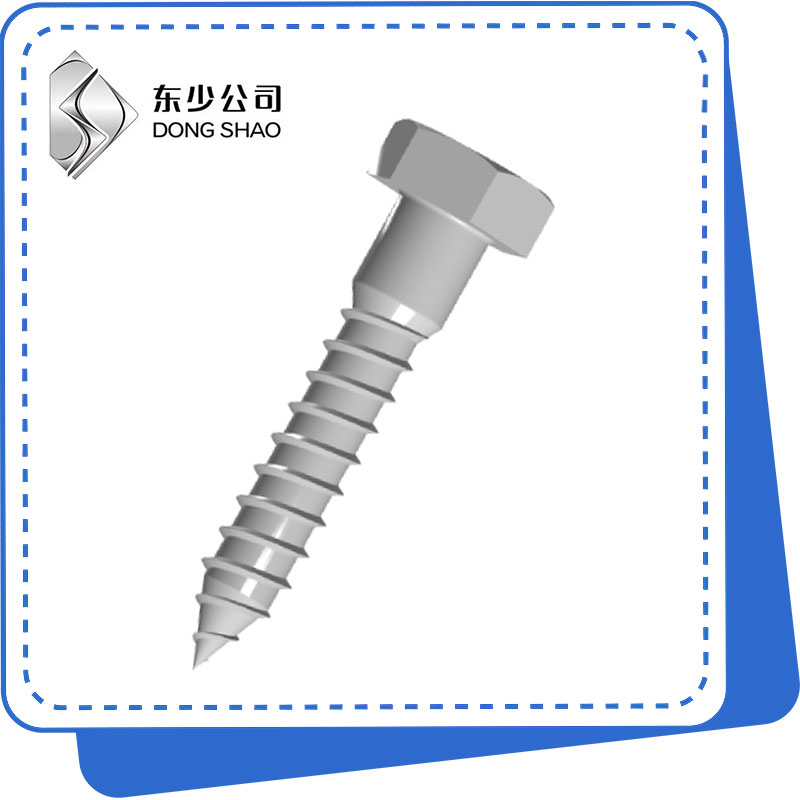
開槽木螺絲的選擇框架
實施嚴格的選擇框架可確保所選螺絲符合機械要求,而不影響接頭安全。
逐步產品選擇流程
First, identify the substrate: softwood, hardwood, or engineered panel. Second, select head style: flat for flush mounting, round for exposed straps, oval for decorative hinges. Third, choose material and coating based on moisture exposure and treated wood chemicals. Fourth, determine length: L = (thickness of top member) + (thickness of bottom member) – 2mm for softwood, or full penetration for hardwood. Finally, confirm slotted drive compatibility with available hand tools—production lines may still prefer slotted for certain electrical or mechanical assemblies due to code requirements.
平衡績效、合規性和預算
Balancing cost against long-term joint integrity requires total ownership thinking. A $3 box of cheap slotted screws may save upfront cash, but field rework from stripped heads or corroded failures often costs 10–20 times more. For structural applications—deck joists, timber framing, or playground equipment—SIGNALORIGIN®硬化和不銹鋼系列提供經過驗證的 10.9 級等效拉伸強度和記錄的批次可追溯性。最終,優先考慮經過認證的材料和精確的頭部幾何形狀可確保在不影響安全性的情況下充分實現開槽木螺絲的操作優勢。
重點
- 四個規格最重要:直徑、長度、頭部類型和塗層。
- 對於邊緣距離小於 15 毫米的硬木,必須有導向孔。
- 帶槽驅動器需要正確的刀片寬度,以防止凸輪脫離和槽損壞。
- 對於經過處理的木材或戶外暴露,請選擇 304/316 不銹鋼。
- 河北東紹等優質供應商提供 SIGNALORIGIN® 完整的 MTR 和 100% 檢定。
常見問題解答
開槽木螺絲和標準機器螺絲有什麼不同?
木螺絲具有更深、更粗的螺紋和錐形柄以夾緊木纖維。機器螺絲具有用於螺母或攻絲金屬孔的統一螺紋。
如何選擇正確的開槽木螺絲尺寸?
將直徑與導向孔圖表相匹配,根據材料堆疊(全螺紋嚙合)選擇長度,並選擇齊平或表面安裝的頭類型。
什麼時候該使用不銹鋼開槽螺絲?
將不銹鋼用於戶外甲板、碼頭、花園家具或任何經過銅基防腐劑處理的木材。碳鋼在這些環境中會迅速腐蝕。
開槽木螺絲的性能是否與現代驅動器一樣好?
對於靜態負載和需要使用基本工具進行現場維修的應用,開槽螺絲是可靠的。對於高扭矩生產或易振動的組件,現代驅動器可減少凸輪脫離。
是什麼讓開槽木螺絲在結構使用上安全?
經過認證的熱處理、精確的螺紋滾壓、完整的導孔準備以及正確的扭矩。品牌如SIGNALORIGIN®具有記錄的可追溯性可提供額外的安全裕度。
上一个:沒消息